|
|
|
Wholesalers: |

|
/ |
|
|
|
|
|
|
|
|
| “Many people think excitement is happiness.... But when you are excited you are not peaceful. True happiness is based on peace.”
― Thich Nhat Hanh, The Art of Power |
|
|
|
|
|
|
|
|
|
|
|
|
|
|
|
|
|
|
|
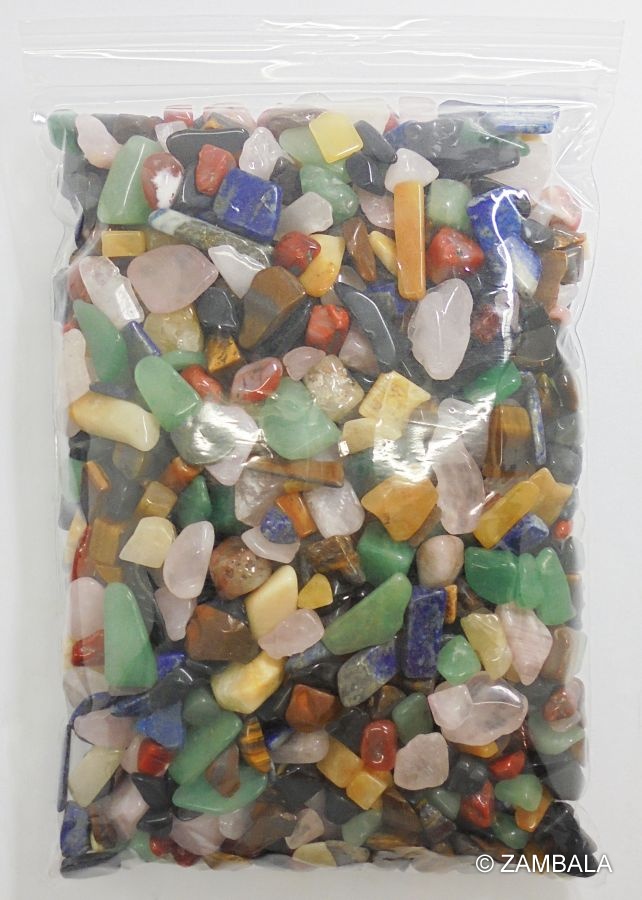
| 7-Jewel stone offering (M) |
|
|
|
|
|
Sku#:2629
|
|
《In order to view the wholesale price .
Please Apply to be a wholesalers》
|
|
|
|
|
 |
|
Please contact us to verify availability. 1-626-354-6228
Email: zambalallc@gmail.com
America area customers can view on this website first.
https://FlyingMystics.org/ |
|
|
|
|
|
|
Material: Stone, Common Minerals, Agate
Size: 1 Kg ( Big )
Description: The Seven Treasures of Buddhism (Saptaratna) originate from Buddhist scriptures such as the Amitabha Sutra and the Infinite Life Sutra. They refer to seven precious gems or stones that symbolize the magnificence, auspiciousness, and blessings of the Pure Land in Buddhist culture. They are not only used to describe the splendor of the Pure Land (such as seven-jeweled pavilions and seven-jeweled ponds), but are also widely used in Buddhist implements, rituals, and the daily lives of believers, embodying the purity and wisdom of Buddhism. The specific components of the Seven Treasures vary slightly in different scriptures, but the core spirit remains consistent, and they are often regarded as a dual treasure of both material and spiritual life.
Composition of the Seven Treasures
The Seven Treasures of Buddhism are mostly composed of natural gemstones or precious metals, and the scriptures vary depending on the region and sect. Below are the seven most common types (based on the Amitabha Sutra, with reference to variations from other texts), along with brief descriptions of their material composition and symbolism:
| Name of Treasure | Main Components | Brief Description |
|----------|----------|----------|
| **Gold** | Pure metal (Au) | Represents health, peace, and diligence; used for gilding Buddha statues, symbolizing "golden protection." |
| **Silver** | Stable silver (Ag) | Soft and stable, symbolizing warding off evil, longevity, and wisdom; commonly used as beads or ornaments. |
| **Lapis Lazuli** | Lapis lazuli or synthetic glass (SiO₂-based) | Blue gemstone, symbolizing compassion and disaster relief; originating from Central Asia, commonly seen in Thangka paintings. |
| **Tridacna** | Calcium carbonate (CaCO₃, organic shell) | Giant mollusks, warm and white, with calming and soothing effects; rare and sacred. | **Coral** | Calcium carbonate (organic coral skeleton) | A red marine gemstone, symbolizing increased wisdom and connection with Buddhism, often used in prayer beads. | | **Agate** | Silicon dioxide (SiO₂) | Hard, translucent quartz, signifying resilience and tenacity, widely used in bracelet carving. | | **Amber (or glass/red pearl)** | Fossilized resin (organic polymer) or glass | Golden in color, symbolizing wealth, warding off evil, and calming the soul; variations may substitute glass or pearl. |
These components are mostly natural minerals or organic materials, easily processed into jewelry forms. Some variations (such as those in the Lotus Sutra) incorporate glass or pearl, emphasizing their "difficult firing process" symbolizing resilience.
Influence on Buddhist Culture
The Seven Treasures in Buddhist culture are not only material decorations but also spiritual symbols, profoundly influencing art, rituals, and folk beliefs. Its applications are wide-ranging, bringing multifaceted impacts:
1. **Buddhist Implements and Ritual Applications**:
- Used to make prayer beads, bracelets, stupas, and mandalas (such as the Seven-Jeweled Pagoda), which believers wear or offer to seek blessings. For example, giant clam shells and coral are often made into bracelets, symbolizing warding off evil spirits, dispelling negative influences, and calming the mind. In Tibetan Buddhism, amber prayer beads are particularly valued, used for mantra recitation and practice, symbolizing the exorcism of evil and the attraction of good fortune.
- In the Pure Land Buddhism's description of the Pure Land, pavilions, roads, and ponds are constructed of seven treasures, inspiring believers to aspire to rebirth there and strengthening their yearning for the afterlife.
2. **Symbolic and Spiritual Influence**:
- Each treasure has a specific meaning: gold and silver represent material wealth and wisdom; glass and giant clam shells symbolize compassion and the flourishing of Buddhism; coral and agate symbolize joy and unwavering faith. This not only enhanced the psychological comfort of believers (such as alleviating anxiety and promoting mental and physical balance), but also transformed the Seven Treasures into a metaphor for moral cultivation—as in the saying, "With the Three Jewels (Buddha, Dharma, Sangha), the nation prospers; with the Seven Treasures, the people live in peace."
- In terms of cultural dissemination, the Seven Treasures were integrated into Buddhist art in China, India, and Southeast Asia. For example, the Dunhuang murals used glazed pigments to depict precious trees, influencing the craftsmanship of antiques and jewelry from the Tang and Song dynasties onwards.
3. **Folk and Modern Influences**:
- In Chinese society, Seven Treasures bracelets became amulets for warding off evil spirits, popular among antique collectors, and promoted awareness of the conservation of rare materials such as giant clam shells (e.g., Taiwan lists giant clam shells as a protected species). Simultaneously, it influenced health and wellness concepts; for example, the "warding off of evil spirits" of silver and the "toughness" of agate were borrowed for feng shui and health preservation.
- Overall, the Seven Treasures strengthened the visual and material aesthetics of Buddhism, making abstract doctrines (such as compassion and wisdom) concrete, promoting the penetration of Buddhism from temples to the general public, and continuing to influence jewelry design and cultural festivals to this day. PS: Due to cost constraints and practical needs in Buddhist worship, seven-colored minerals are now commonly used as a substitute. They are mostly used for containing sacred objects, offering cups, and mandala plates...
|
|
|
 |
|
|
|
|
|
|
|
|
|
|
|
|
|
|
|
|
© 2026 Zambala inc. All Rights Reserved. No part of this site may be reproduced without our written Permission.
Service Mail: ZambalaLLC@gmail.com
Phone: (626) 289-9787 or 1(888)Zambala (926-2252)
Fax: (626) 289-9719
1904 West Valley Blvd. Alahambra, CA 91803 USA
Unless stated otherwise in content's license. Design By
|
|
|