|
|
|
Wholesalers: |

|
/ |
|
|
|
|
|
|
|
|
| "Just as treasures are uncovered from the earth, so virtue appears from good deeds, and wisdom appears from a pure and peaceful mind. To walk safely through the maze of human life, one needs the light of wisdom and the guidance of virtue." Shakyamuni Buddha (563-483 B.C.) |
|
|
|
|
|
|
|
|
|
|
|
|
|
|
|
|
|
|
|
|
|
|
|
|
Sku#:2746
|
|
《In order to view the wholesale price .
Please Apply to be a wholesalers》
|
|
|
|
|
 |
|
Please contact us to verify availability. 1-626-354-6228
Email: zambalallc@gmail.com
America area customers can view on this website first.
https://FlyingMystics.org/ |
|
|
|
|
|
|
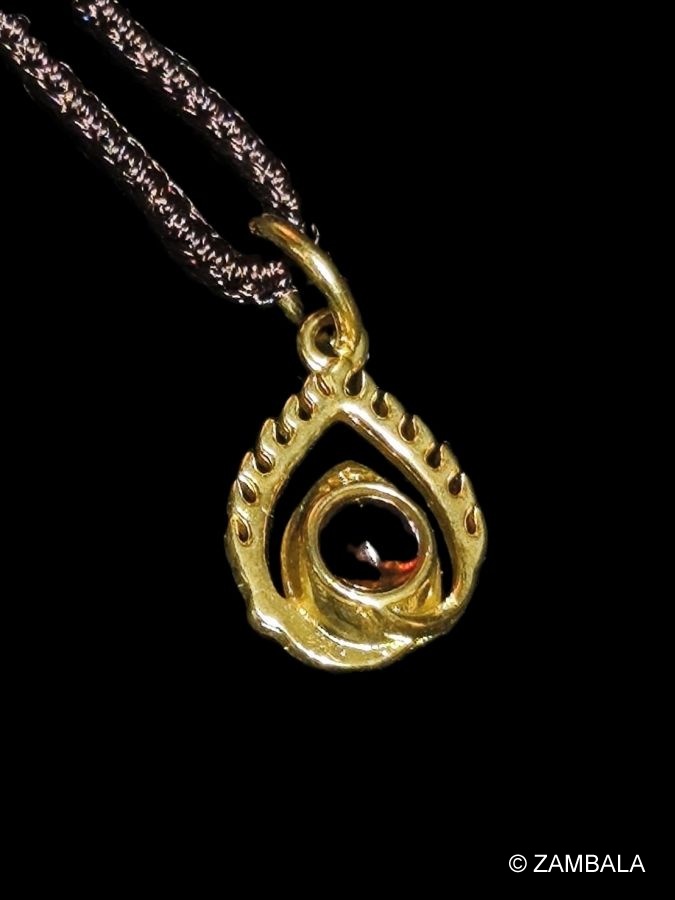
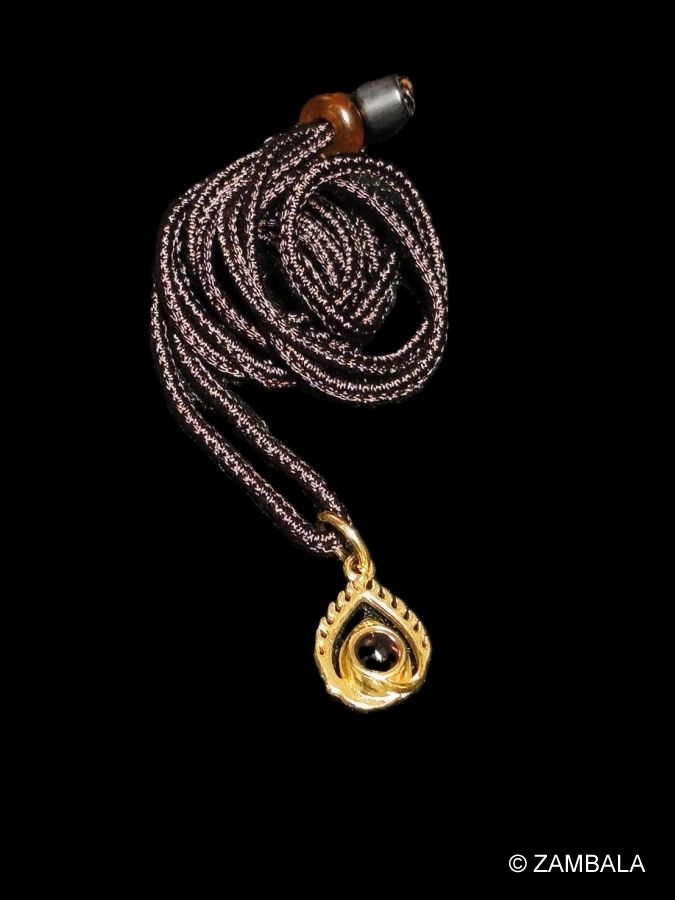
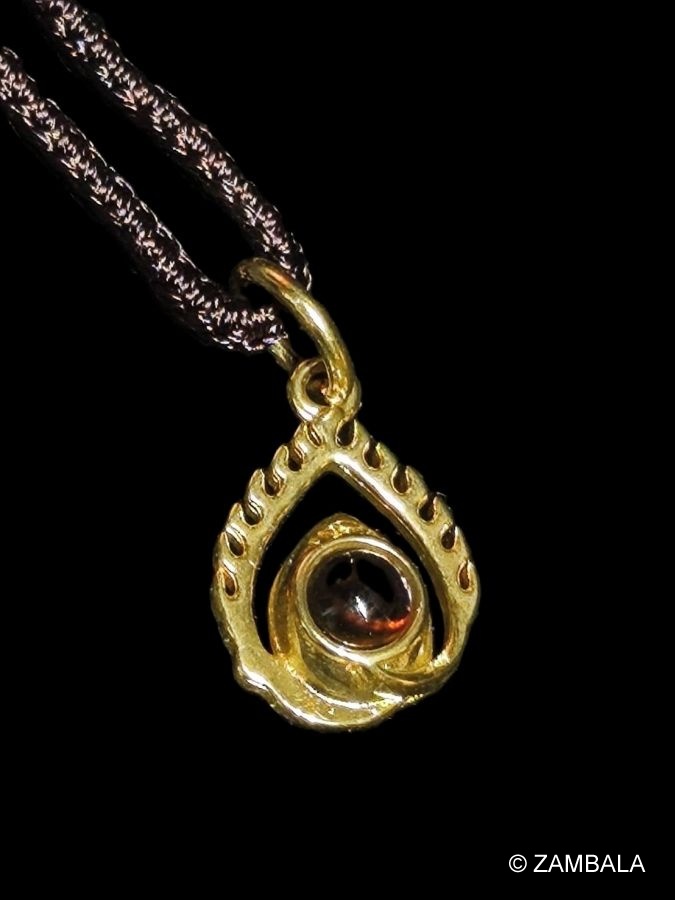
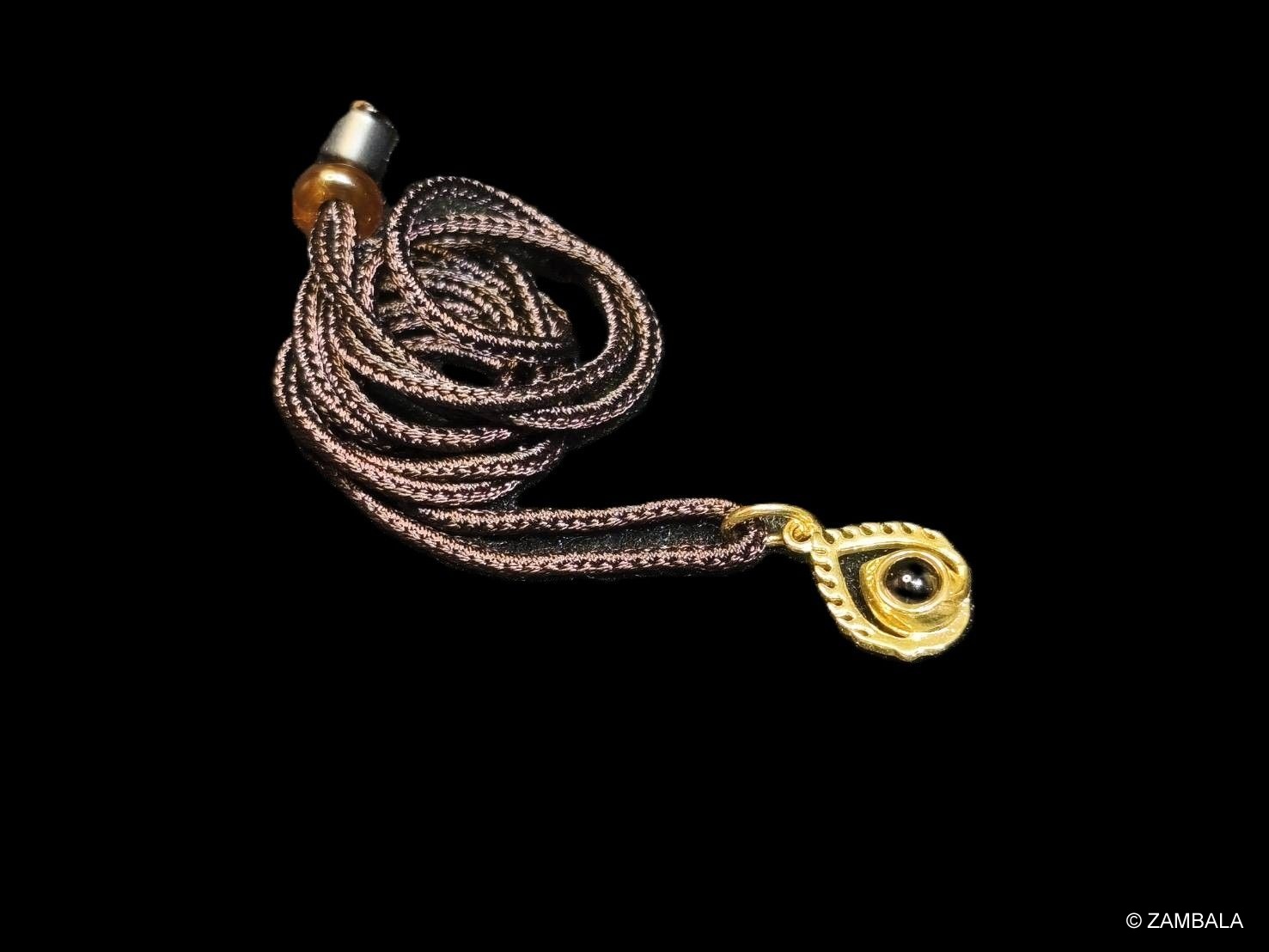
Material: Gold-plated. Mani jewel design. Pendant. Necklace
Size: 14*16mm
Description: A very miniature ornament. Using a lens principle, it projects light from behind, projecting the image of "Yellow Jambhala" completely onto the wall.
The Story and Background of Yellow Jambhala (Yellow Jambhala Serpo)
Yellow Jambhala (Tibetan: ཛམ་བྷ་ལ་སེར་པོ།, Jambhala Serpo, full name "Yellow Jambhala Serpo") is one of the most popular wealth deities in Tibetan Buddhism, the first of the "Five Wealth Deities" (yellow, white, red, black, and green Jambhalas), and the most frequently practiced wealth deity. He is accepted and worshipped by both Tibetan and Han Buddhism (especially late-period Tantric Buddhism).
1. Origin and Identity of the Deity
- The fundamental origin of Yellow Jambhala is the "God of Wealth" (Jambhala) appearing in late Indian Buddhist tantras. Originally, he was a Buddhist emanation of the Hindu god of wealth, Kubera (Vaisravana).
- In Buddhism, Yellow Jambhala is considered **an emanation of Avalokiteshvara** (or one of his wrathful manifestations). Legend has it that Avalokiteshvara manifested as Yellow Jambhala to alleviate the suffering of sentient beings, bestowing upon them material and spiritual wealth so they could practice Buddhism without worry.
- All major schools of Tibetan Buddhism (Nyingma, Sakya, Kagyu, Gelug) recognize Yellow Jambhala as an emanation of Avalokiteshvara; therefore, practicing the Yellow Jambhala is equivalent to practicing the Avalokiteshvara Dharma, accumulating immense merit.
2. Key Stories from Classic Records
The most famous stories of the Yellow Jambhala's deeds come from the *Ubaranka Jambhala Ritual* and several other tantras on Jambhala:
Long ago, a great Indian master (Marahara) was practicing when Avalokiteshvara appeared to him and said,
"If you wish to benefit the poor and suffering, you may practice my emanation as Jambhala." Avalokiteshvara then manifested as the Yellow Jambhala, holding a mongoose that vomits jewels and possessing a golden body, and imparted mantras and rituals.
Later, the Yellow Jambhala became widely known in India, Nepal, and Tibet. Many masters (such as Padmasambhava and the first Sakya patriarch) personally practiced it and acquired great wealth, which they used to build monasteries, print scriptures, and relieve poverty.
Another famous story: When Atisha (11th century) entered Tibet, Tibet was extremely impoverished. He taught his disciples the Yellow Jambhala practice, instructing them to recite mantras and perform rituals. As a result, gold mines began to appear in Tibet, wealth increased, and the economy gradually prospered. Therefore, the Yellow Jambhala is also regarded as the "guardian of Tibet's economic prosperity." 3. The Image and Symbolic Meaning of Yellow Jambhala
- Golden body (representing growth and abundance)
- Right hand holds a jewel-spitting mongoose (or wish-fulfilling jewel), spewing forth endless treasures
- Left hand holds fruit or a money bag
- Seated atop a dragon king (symbolizing subjugation of floods and control over the flow of wealth)
- Wears a five-Buddha crown adorned with jewels, with a half-wrathful expression (representing the awe of poverty)
4. Influence and Importance on Buddhism
1. **Dual Wealth, Material and Spiritual**
Yellow Jambhala represents not only worldly wealth, but more importantly, "enabling sentient beings to practice Buddhism without the worry of lack." Many great masters emphasize that practicing the Jambhala Dharma solely for worldly wealth may only yield small gains; however, if one cultivates Bodhicitta (the aspiration for enlightenment) and seeks wealth for the benefit of all sentient beings, one will gain immeasurable wealth and merit.
2. **A Pillar of Economic Development in Tibetan Buddhism**
From the 11th century to the present, the construction funds for many large monasteries in Tibet, Mongolia, Bhutan, and Nepal (such as the Potala Palace and Kumbum Monastery) have come from offerings and donations from devotees practicing the Yellow Jambhala (Yellow Jambhala) deity ritual. The Yellow Jambhala practice has effectively become an important "financial support" for Tibetan Buddhism.
3. **The Mainstream of Wealth Deity Worship in Later Han Chinese Buddhism**
Since the Ming and Qing dynasties, Yellow Jambhala gradually replaced Zhao Gongming as the most widely worshipped wealth deity among Han Chinese Buddhists. Many monasteries (such as the Yonghe Temple in Beijing) have Yellow Jambhala halls, attracting a constant stream of devotees on the first and fifteenth of each lunar month.
4. **An Important Method for Overcoming the Karmic Obstacle of Poverty**
Yellow Jambhala is considered a deity capable of counteracting the karmic obstacle of poverty. Many people are poor in this life due to greed in their past lives; practicing the Yellow Jambhala ritual can purify this karmic obstacle and transform it into abundance.
In summary, Yellow Jambhala is essentially a compassionate manifestation of Avalokiteshvara, who bestows wealth to alleviate the suffering of the poor, enabling them to have the resources to practice Buddhism. His appearance not only solved the practical problem of "lack of money" in the propagation of Buddhism but also embodies the Buddhist concept of "dual giving"—giving both material wealth (external wealth) and the Dharma (internal wealth).
Therefore, in both Tibetan and Han Buddhism, Yellow Jambhala is considered one of the most compassionate and practical deities associated with wealth.
Common Yellow Jambhala mantra:
**OM ZAMBALA ZALENDRAYE HUM PHAT**
Reciting this mantra is believed to attract wealth and eliminate poverty.
|
|
|
 |
|
|
|
|
|
|
|
|
|
|
|
|
|
|
|
|
© 2026 Zambala inc. All Rights Reserved. No part of this site may be reproduced without our written Permission.
Service Mail: ZambalaLLC@gmail.com
Phone: (626) 289-9787 or 1(888)Zambala (926-2252)
Fax: (626) 289-9719
1904 West Valley Blvd. Alahambra, CA 91803 USA
Unless stated otherwise in content's license. Design By
|
|
|