|
|
|
Wholesalers: |

|
/ |
|
|
|
|
|
|
|
|
| "To put the world in order, we must first put the nation in order; to put the nation in order, we must put the family in order; to put the family in order, we must cultivate our personal life; and to cultivate our personal life, we must first set our hearts right." Confucius (551-479 BC) |
|
|
|
|
|
|
|
|
|
|
|
|
|
|
|
|
|
|
|
|
|
|
|
|
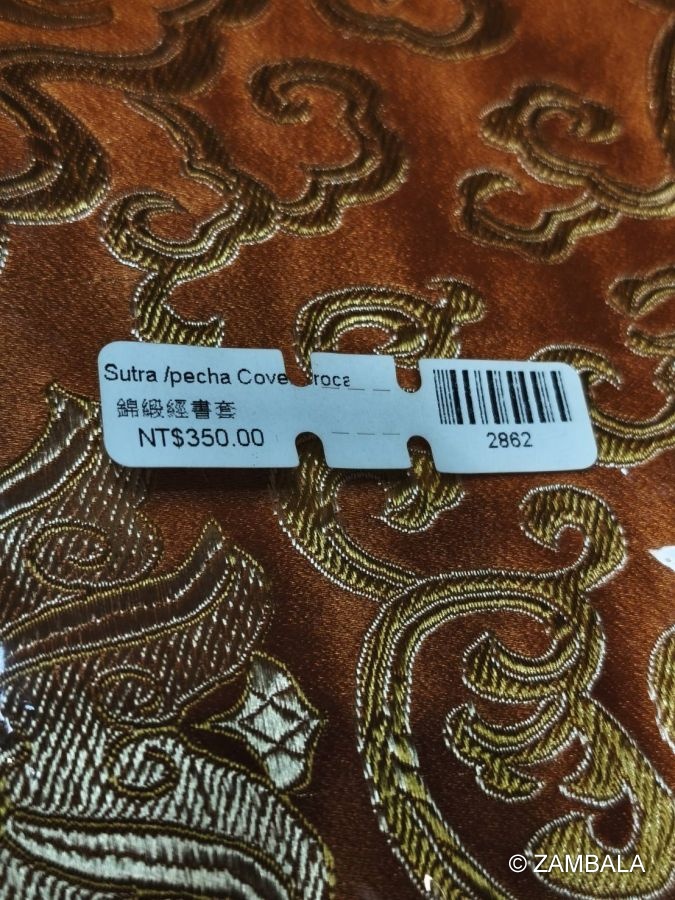
Sku#:2862
|
|
《In order to view the wholesale price .
Please Apply to be a wholesalers》
|
|
|
|
|
 |
|
Please contact us to verify availability. 1-626-354-6228
Email: zambalallc@gmail.com
America area customers can view on this website first.
https://FlyingMystics.org/ |
|
|
|
|
|
|
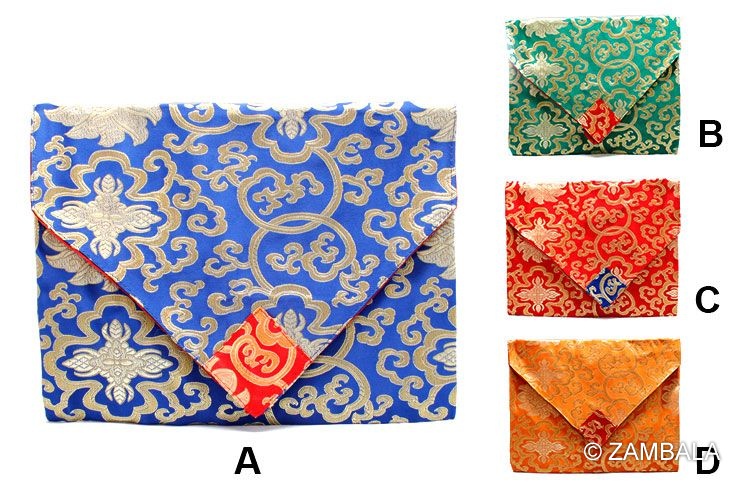
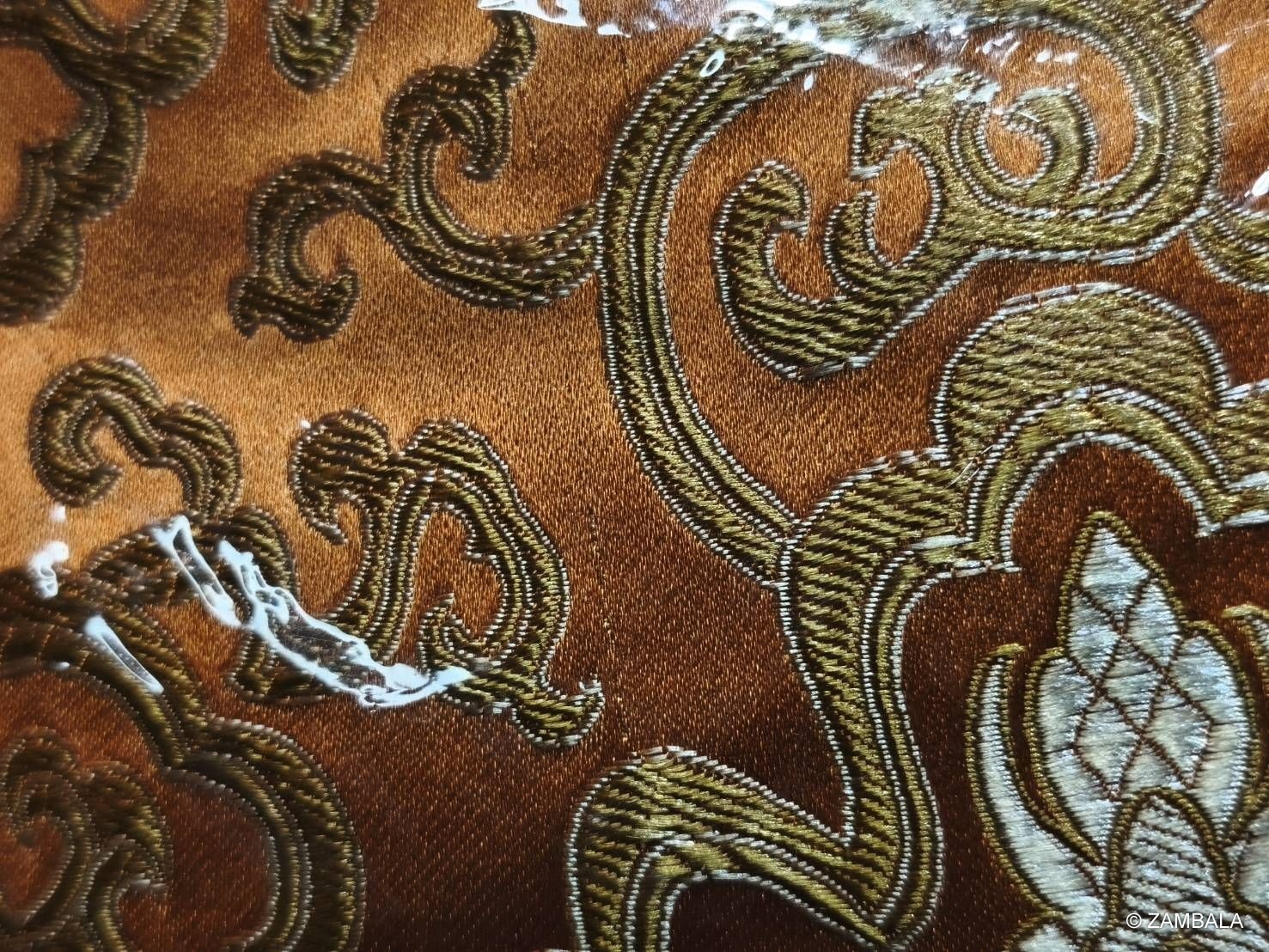
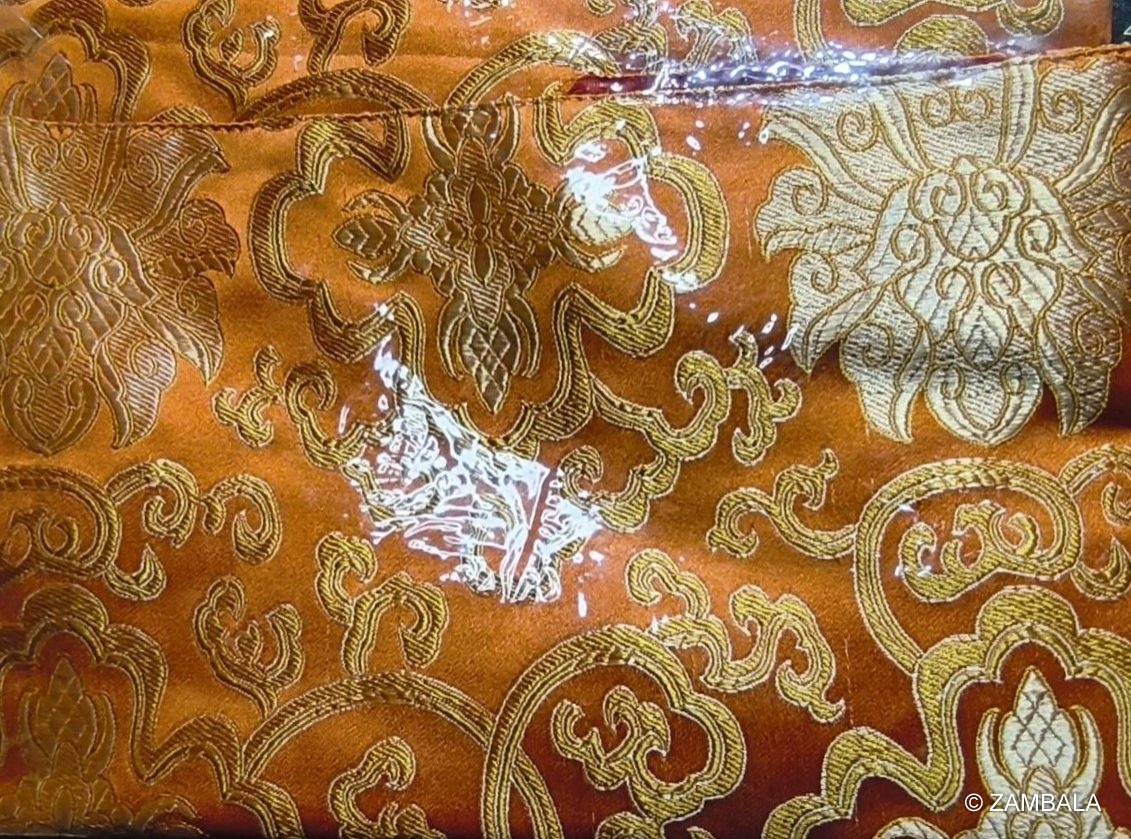
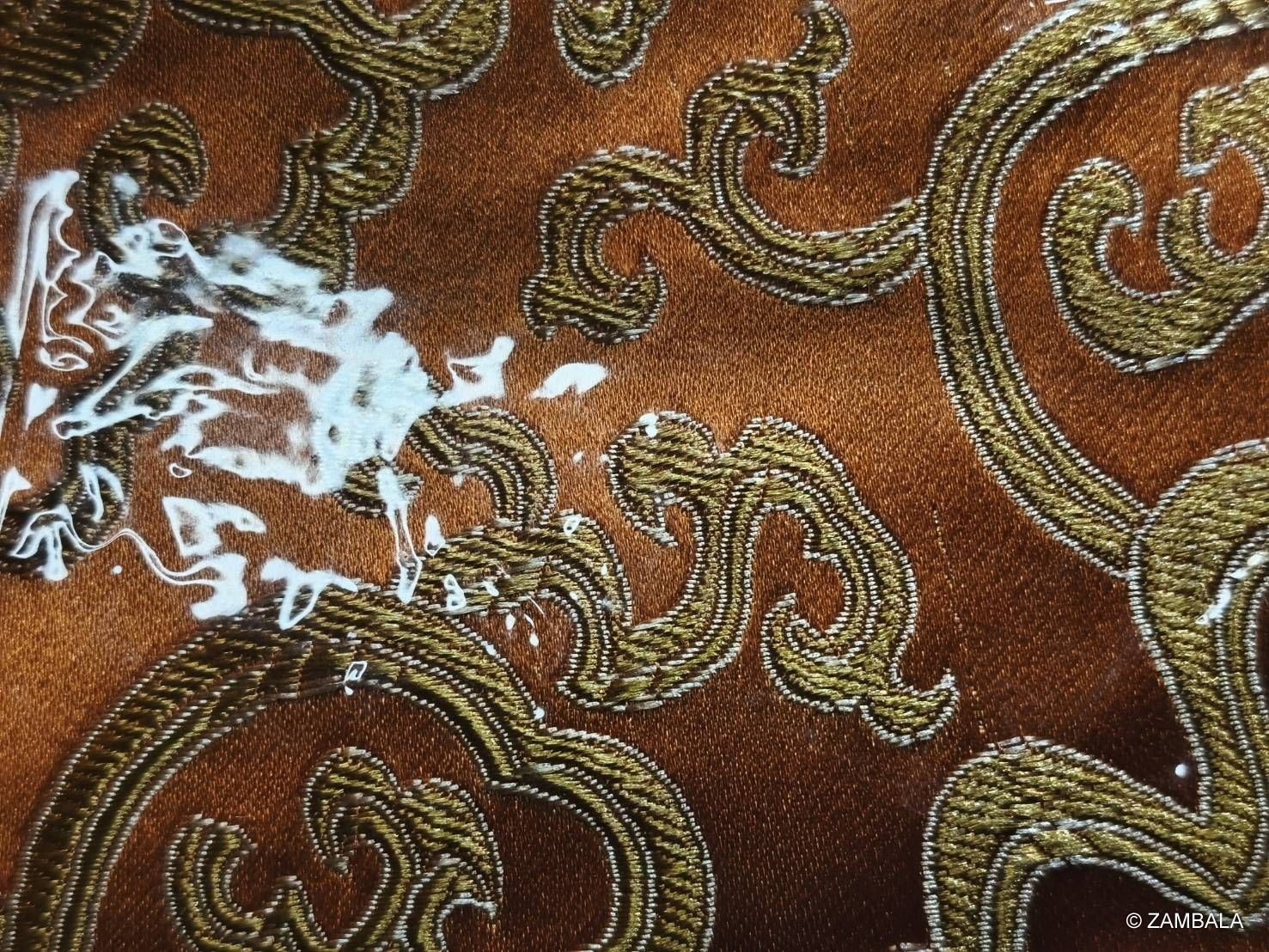
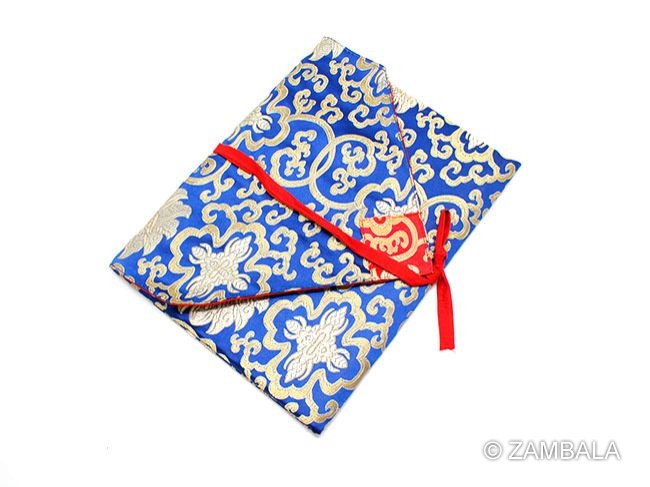
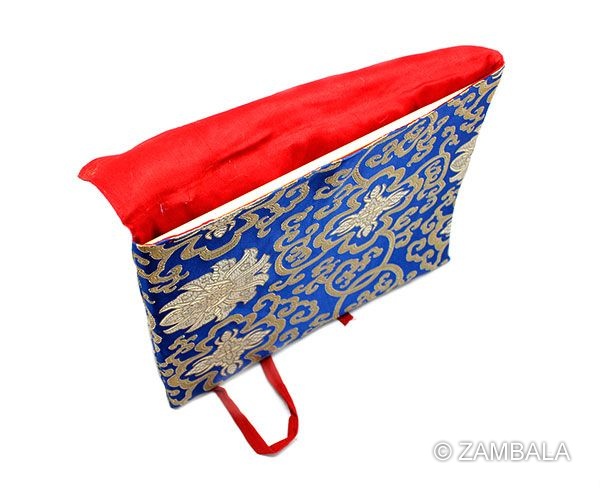
Material: Woven fabric, embroidered, printed, scripture cover
Size: 30 x 24 cm
Description: The origin, usage, and profound influence on Buddhism of scripture covers (scripture robes, scripture blankets, scripture cloaks, robe bags)
I. Origin and History
In Chinese Buddhism, scripture covers are also called "scripture robes," "scripture blankets," "scripture cloaks," "scripture wrapping cloth," or "robe bags." They are a piece of cloth specifically used to wrap and protect scriptures. Their origin can be traced back to the tradition of "valuing scriptures" when Buddhism first entered China.
1. **Similar Concepts Existed in Indian Buddhism**
In India, during the Buddha's time, monks considered the three robes (kasaya) to be the most precious possessions, and scriptures were regarded as "Dharma relics," equally revered as the Buddha's physical relics. Therefore, using the purest robe cloth to wrap scriptures was a very natural extension.
2. **The Unique Development of Han Chinese Buddhism (Formed from the Eastern Jin to the Northern and Southern Dynasties)**
- The Eastern Jin monk Dao'an (312–385) first proposed the ritual of "wrapping scriptures in monastic robes," requiring monks to wrap scriptures in their own robes or clean cloth as a sign of respect for the Dharma.
- After the Northern and Southern Dynasties, with the flourishing of scripture copying, printing, and storage, specially made, beautifully crafted "scripture covers" became increasingly common.
- After the Tang Dynasty, this evolved into an art form, with elaborate scripture covers made of brocade, embroidery, gold weaving, and gold embroidery appearing, especially common in royal scripture copying and temple library collections.
- From the Song and Yuan Dynasties onward, scripture covers were often embroidered with the "Dharani of the Secret Relic Box of All Tathagatas' Heart" (Dharani of the Relic Box Seal) or the "Dharani of the Victorious One," believed to enhance the blessings of the scriptures.
II. Usage and Etiquette
Traditional Han Chinese Buddhist temples still strictly adhere to the following rules:
1. **Wrapping Method**
- Scriptures must be completely wrapped in a sutra robe, with no corners or spines exposed.
- After wrapping, tie a "monastic robe knot" (the same auspicious knot as the kasaya), symbolizing the Buddha's kasaya.
- Larger scripture covers are made in an "envelope" or "wrapper" style, with lining, buckles, and carrying ropes.
2. **Placement and Retrieval Etiquette**
- Scriptures wrapped in a sutra robe must only be placed at the highest point (above head height), and must not be placed on seats, beds, or the ground.
- When retrieving a scripture, one must first bow or join palms, respectfully receiving it with both hands; never use one hand or fingers to pick it up.
- Before reading, one must wash hands and rinse mouth to maintain cleanliness; a "scripture table cloth" (tablecloth) must be placed on the table, and the scripture must not directly touch the tabletop.
- After reciting, wrap the scriptures in the robe again and return them to their original place.
3. **Different Grades of Ritual Robes**
- Daily Sangha: Plain cotton or linen robes.
- Large monasteries' scriptures: Yellow satin, red satin, or gold-woven satin, embroidered with mandalas, the Eight Auspicious Symbols, and the Seven Treasures.
- Imperial offerings: Scriptures often made of five-colored brocade or kesi (silk tapestry), sometimes inlaid with pearls and coral (the robes of some scrolls in the *Zhao Cheng Jin Zang* in the Palace Museum are national treasures).
III. Profound Impact on Buddhism
Although the sutra cover may seem like a small piece of cloth, it has had a profound impact on Han Chinese Buddhism:
1. **Establishing a Symbol of Equality between "Dharma" and "Sangha"**
The sutra is considered a relic of the Buddha's Dharma body. Wrapping it in the most venerable robe of a monk symbolizes the complete equality between "Sangha" and "Dharma," reinforcing the characteristic of Han Chinese Buddhism's emphasis on both the Sangha and the Dharma (a stark contrast to Theravada Buddhism's greater emphasis on the Sangha).
2. **Promoting a Culture of Sutra Copying and Protection**
Because the sutra is regarded as the Buddha's Dharma body, believers are willing to spend vast sums of money to offer it with the most magnificent robes, exquisite sutra boxes, and cabinets, thus driving the large-scale sutra copying, engraving, and printing industry since the Tang and Song dynasties (such as the Kaibao Tripitaka, Zhao Cheng Jin Tripitaka, Qisha Tripitaka, and Pinjia Tripitaka).
3. **Shaping the Respectful and Dignified Manners of Han Chinese Buddhism**
"Wrapping the sutra cloth over one's head" became one of the most basic dignified practices of the Sangha. Placing scriptures carelessly on the ground or a seat is considered a grave offense. This elaborate ritual of scripture reverence has profoundly influenced the attitudes of East Asian Buddhists (China, Japan, Korea, and Vietnam) towards Buddhist scriptures, and this influence is still evident today.
4. **A Significant Carrier of Buddhist Art**
The embroidery, weaving, and gilding techniques on scripture covers developed into unique Buddhist textile and embroidery crafts. Many extant scripture covers from the Tang, Song, Yuan, and Ming dynasties are listed as first-class cultural relics, providing invaluable resources for the study of Buddhist art and clothing history.
5. **A Modern Continuation**
Even today, Han Chinese Buddhist temples (including those in Taiwan, Hong Kong, Singapore, and Malaysia) still insist on using scripture covers. Many lay Buddhists also make their own scripture covers for the *Diamond Sutra*, *Heart Sutra*, and *Lotus Sutra* at home, considering them important resources for accumulating merit.
In summary, although a scripture cover is just a piece of cloth, it encapsulates the core spirit of Han Chinese Buddhism: "regarding the Dharma as the Buddha" and "revering the Three Jewels." It is not only a practical tool for protecting scriptures, but also a symbolic ritual implement that extends the "Buddha's robe" to the "Dharmakaya relics," profoundly shaping the tradition of scripture reverence and visual culture of East Asian Buddhism for two thousand years.
|
|
|
 |
|
|
|
|
|
|
|
|
|
|
|
|
|
|
|
|
© 2026 Zambala inc. All Rights Reserved. No part of this site may be reproduced without our written Permission.
Service Mail: ZambalaLLC@gmail.com
Phone: (626) 289-9787 or 1(888)Zambala (926-2252)
Fax: (626) 289-9719
1904 West Valley Blvd. Alahambra, CA 91803 USA
Unless stated otherwise in content's license. Design By
|
|
|