|
|
|
Wholesalers: |

|
/ |
|
|
|
|
|
|
|
|
| Do the right thing. It will gratify some people and astonish the rest. - Mark Twain |
|
|
|
|
|
|
|
|
|
|
|
|
|
|
|
|
|
|
|
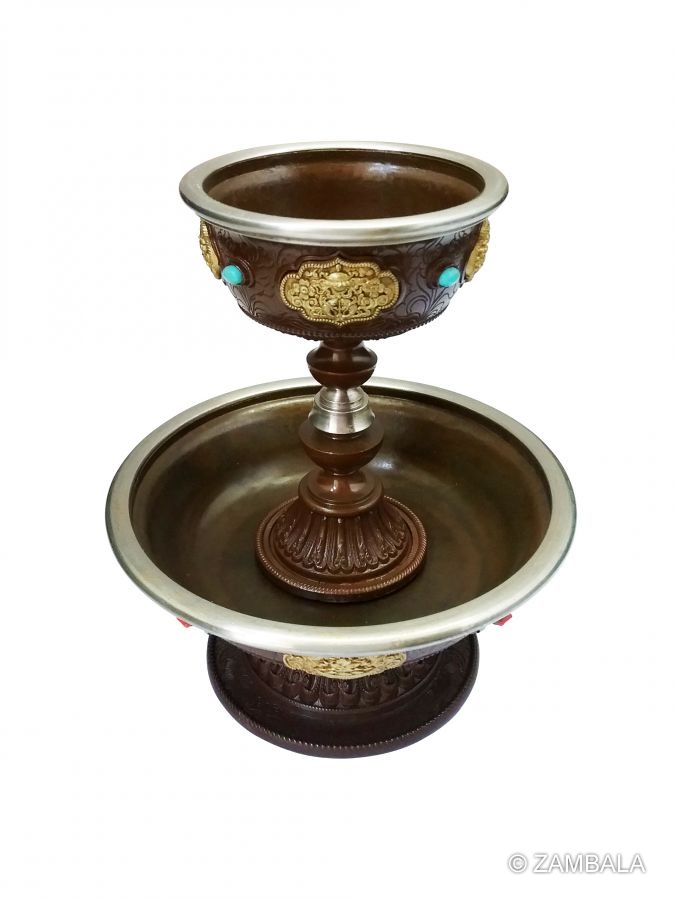
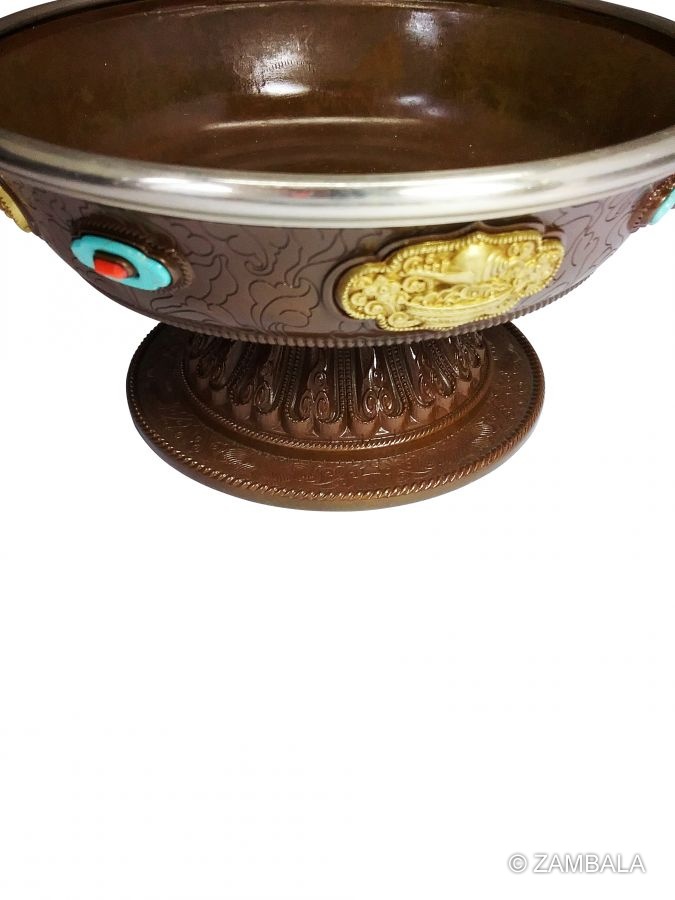
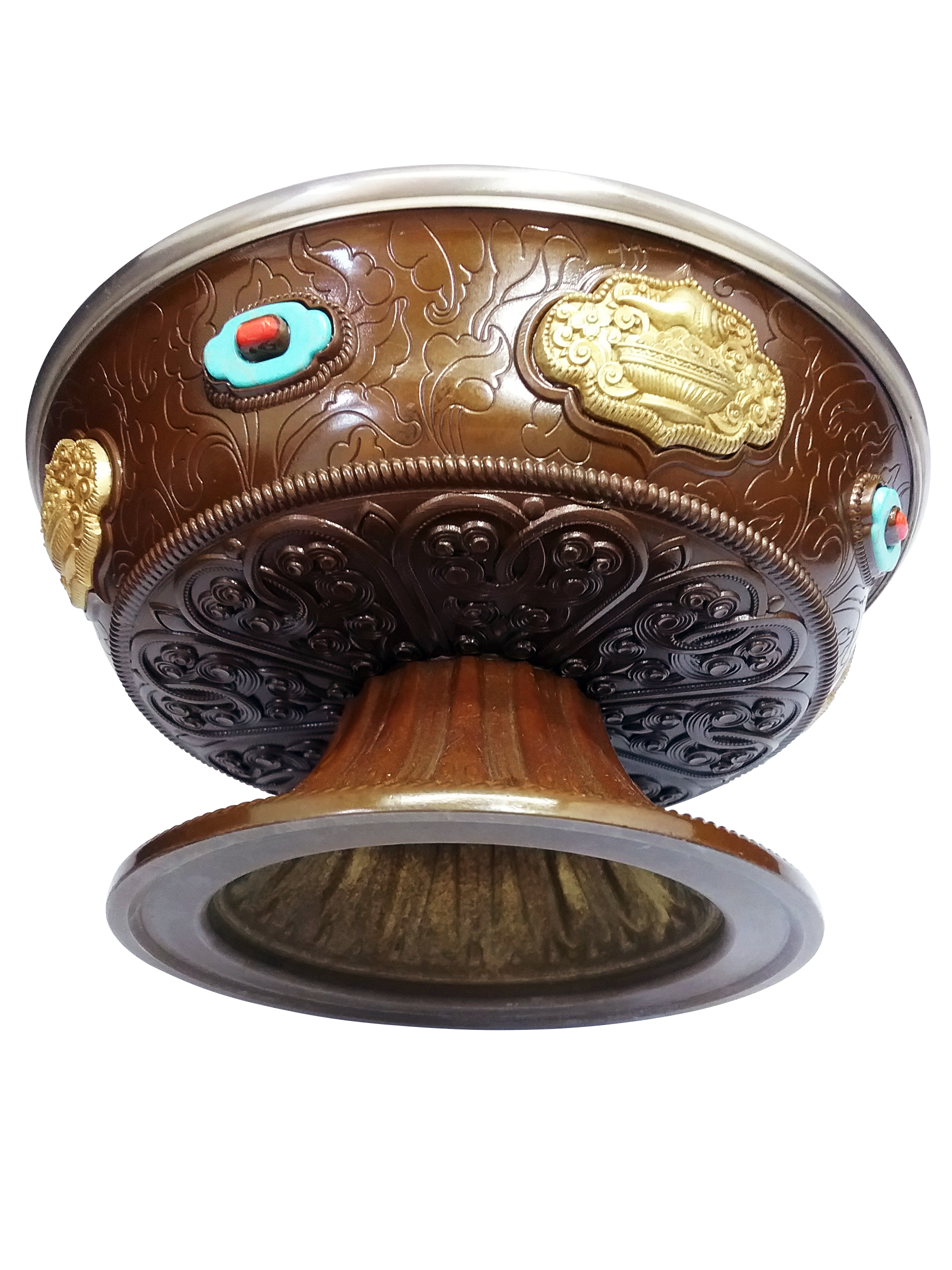
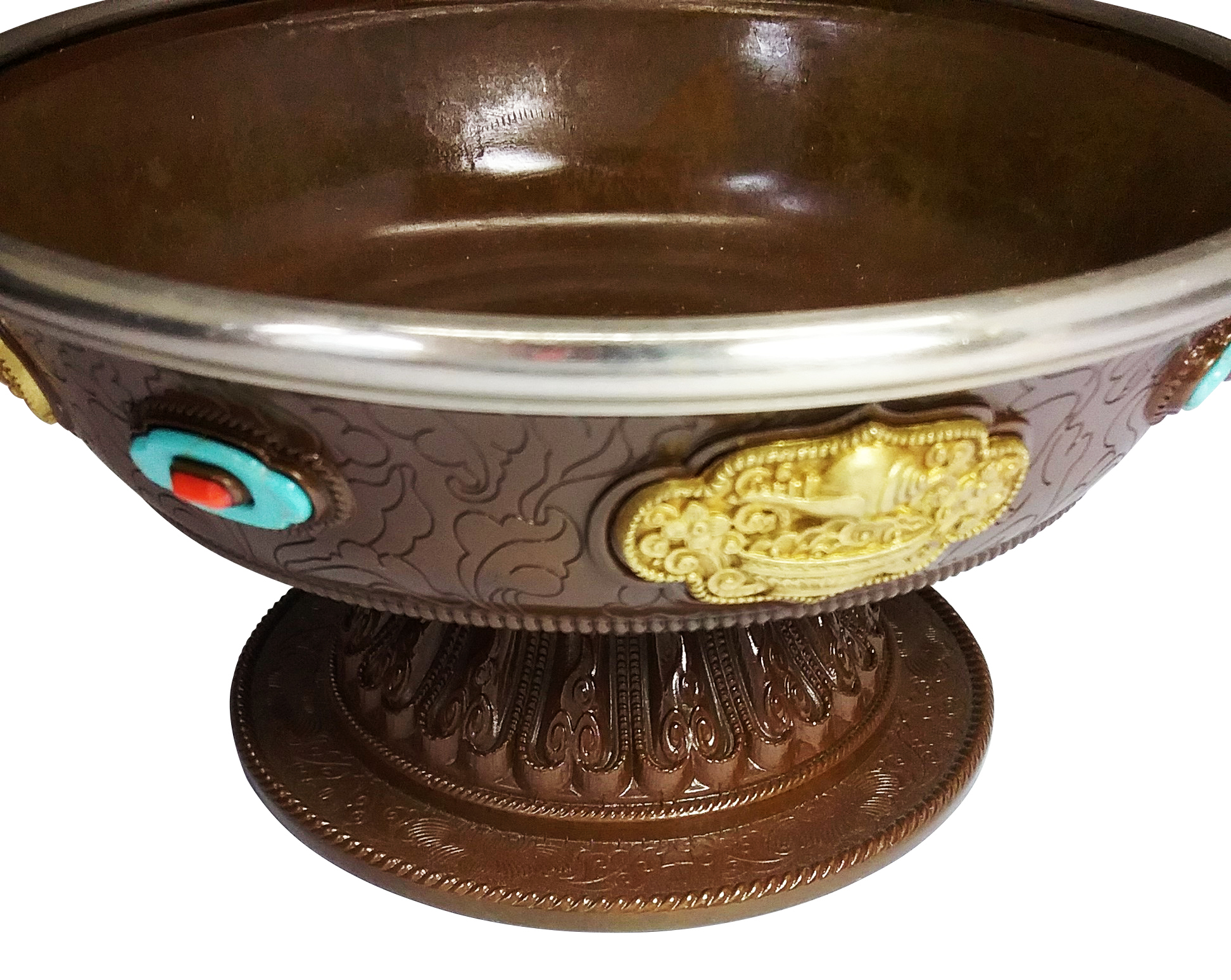
| Serkem Copper with stainless border S |
|
|
|
|
|
Sku#:3168
|
|
|
Wholesale price |
US |
XXX.XX |
|
《In order to view the wholesale price .
Please Apply to be a wholesalers》
|
|
|
|
|
 |
|
Please contact us to verify availability. 1-626-354-6228
Email: zambalallc@gmail.com
America area customers can view on this website first.
https://FlyingMystics.org/ |
|
|
|
|
|
|
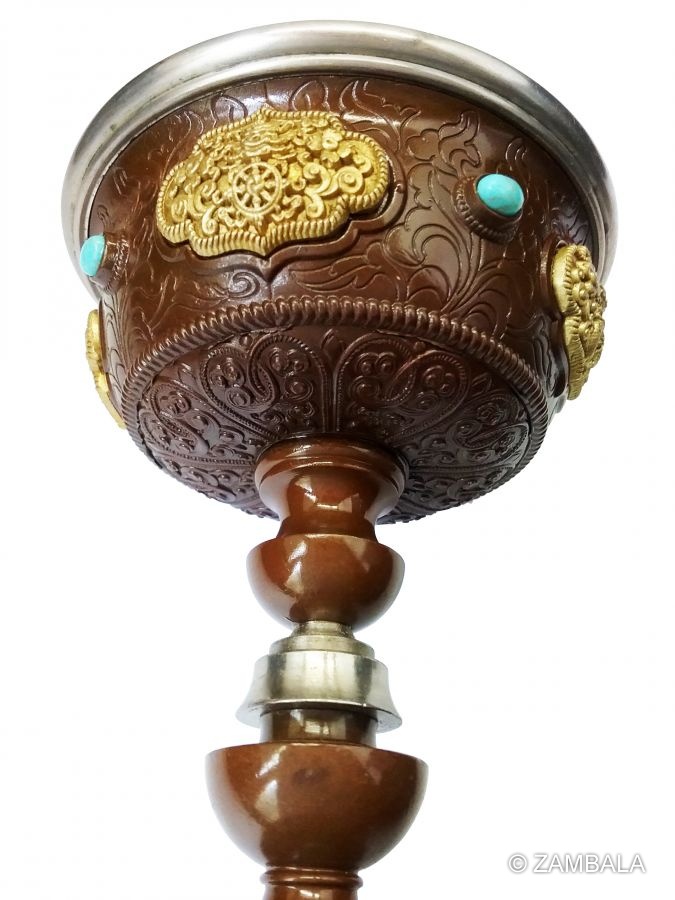
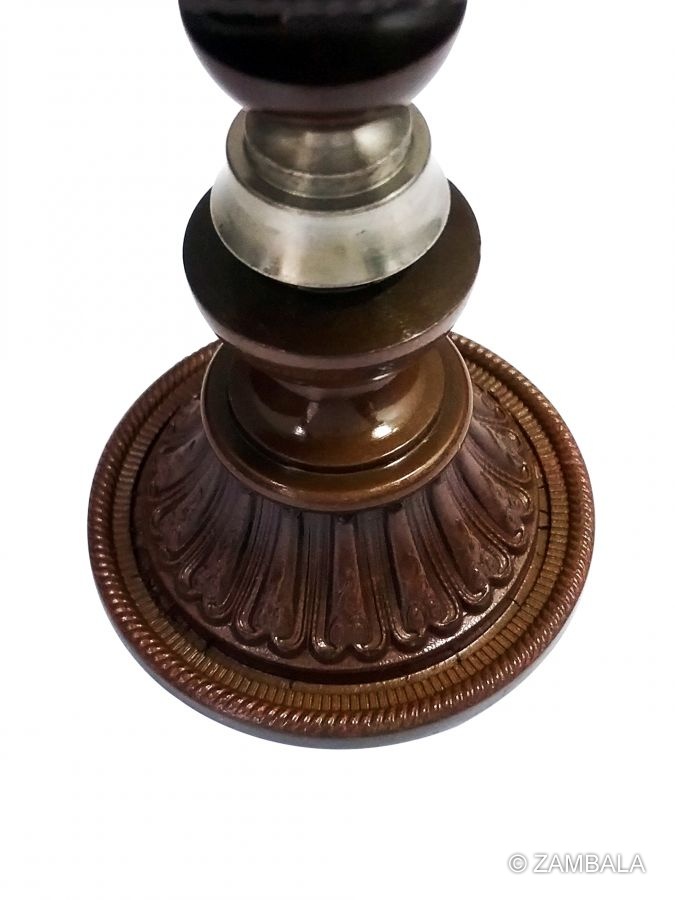
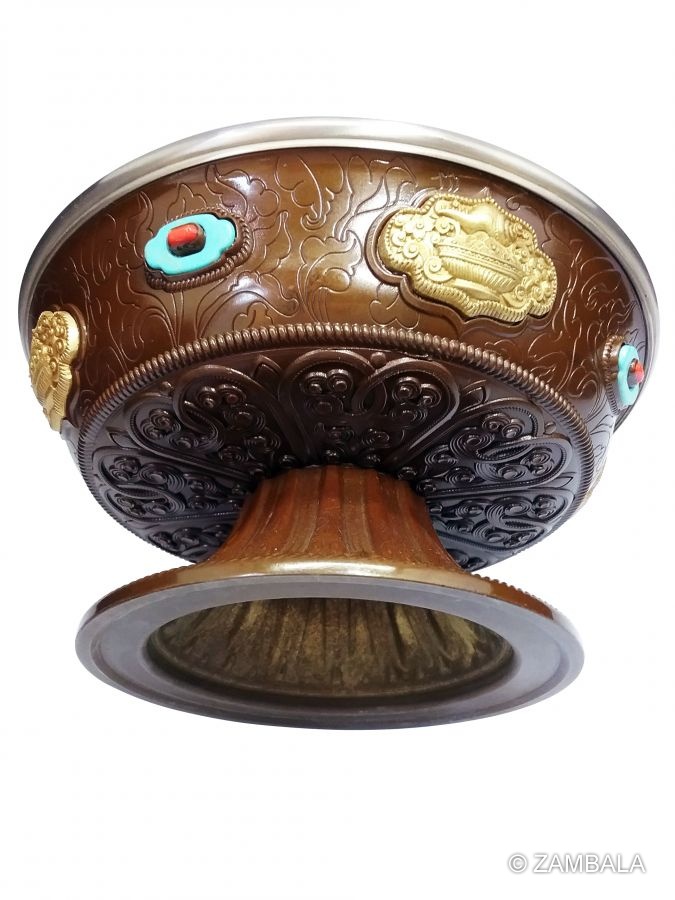
Material: Red copper. Cast. Engraved with Eight Auspicious Symbols
Size: 11.7 x 13 cm
Description: The "Protector's Cup" (often called **Torma** or **Bali** in Tibetan, or specifically a vessel for offering to protectors) in Tibetan Buddhism is a ritual implement used to worship protectors. It is primarily used in Tibetan Buddhist religious ceremonies, especially when offering to, praying to, or appeasing protectors. The following is a brief introduction to the origin and uses of the Protector's Cup:
**Origin** The origin of the Protector's Cup is closely related to the worship of protector deities in Tibetan Buddhism. Tibetan Buddhism incorporates elements of Indian Buddhism, Bon, and local folk beliefs. The Protector's Cup is considered a supernatural force protecting the Dharma, temples, and practitioners. The use of offering cups can be traced back to the ritual traditions of Tantric Buddhism, especially Vajrayana offering ceremonies. These cups are typically used to hold offerings to express reverence for the protector deity and to pray for their protection and blessings.
In the history of Tibetan Buddhism, with the development of various schools (such as Nyingma, Kagyu, Sakya, and Gelug), the worship of guardian deities gradually became institutionalized. The form and purpose of offering cups also vary depending on the school and the specific guardian deity. For example, some guardian deities (such as Mahakala or Palden Lhamo) have their own exclusive methods of offering, and the design of the offering cup and the contents of the offerings are adjusted according to the requirements of the ritual.
**Purposes** Guardian deity offering cups are typically used in specific religious ceremonies, daily offerings, or important rituals. Their main uses and applications are as follows:
1. **Shape and Material of the Offering Cup**:
- Offering cups are usually small containers made of metal (such as copper or silver) or ceramic, mostly bowl-shaped or cup-shaped, with simple patterns, but sometimes engraved with auspicious symbols or mantras.
- Some offering cups are designed for specific guardian deities and may have unique shapes or decorations, such as skull-shaped offering cups (kapalas), designed for certain wrathful guardian deities.
- Offering cups typically contain offerings such as tsampa (roasted barley flour), ghee, wine, water, fresh flowers, and spices, depending on the ritual.
2. **Purpose of Offerings**:
- **Blessings**: Offerings are made to guardian deities to seek their protection, assistance in overcoming obstacles, subduing demonic forces, and ensuring the success of Buddhist endeavors.
- **Appeasing Guardians**: Some guardian deities (especially secular ones) are considered fierce and require regular offerings to appease their power and prevent negative impacts.
- **Purification and Gratitude**: Offering cups are also used to purify temples or to express gratitude for the protection of guardian deities.
3. **Used in Rituals**:
- **Daily Offerings**: In temples or personal altars, offering cups containing offerings are usually placed before the guardian deity or altar, accompanied by chanting and mantras (such as the guardian deity's specific mantra).
- **Specific Offering Ceremonies:** In large-scale protector deity ceremonies (such as the Mahakala ceremony), offering cups may be used with tormas (a special type of offering sculpture), the offerings will be more elaborate, and the arrangement will be according to the requirements of the ceremony.
- **Offering Disposal:** Offerings are usually disposed of after the ceremony, such as being distributed to participants according to the ceremony's requirements, scattered in nature, burned, or discarded in a clean place.
4. **Offering Precautions:**
- Offering cups must be kept clean, and offerings must be fresh and meet the requirements of the ceremony.
- Offerings must be made with reverence, and specific visualizations and mantras must be used to enhance the effectiveness of the offering.
- Different protector deities have different preferences. For example, Mahakala prefers wine offerings, while other protector deities may prefer vegetarian offerings. This depends on the sect and tradition.
**Cultural and Symbolic Meaning:** Protector deity offering cups are not only practical ritual tools but also have profound symbolic meaning. They represent the practitioner's devotion and reliance on the protector deity. It also embodies the concept of "offering" in Tibetan Buddhist practice, which involves accumulating merit and purifying karmic obstacles through generosity and dedication.
The Dharma Protector Offering Cup is an important vessel for worshipping Dharma Protectors in Tibetan Buddhism. It originates from the tradition of integrating Tantric rituals with Tibetan culture. It plays a vital role in daily offerings, religious ceremonies, and special rituals. It is used to request blessings from Dharma Protectors, appease deities, or pray for good fortune.


|
|
|
 |
|
|
|
|
|
|
|
|
|
|
|
|
|
|
|
|
© 2026 Zambala inc. All Rights Reserved. No part of this site may be reproduced without our written Permission.
Service Mail: ZambalaLLC@gmail.com
Phone: (626) 289-9787 or 1(888)Zambala (926-2252)
Fax: (626) 289-9719
1904 West Valley Blvd. Alahambra, CA 91803 USA
Unless stated otherwise in content's license. Design By
|
|
|