|
|
|
Wholesalers: |

|
/ |
|
|
|
|
|
|
|
|
| "Wisdom, compassion, and courage are the three universally recognized moral qualities of men." Confucius (Chinas most famous teacher, philosopher, and political theorist, 551-479 BC) |
|
|
|
|
|
|
|
|
|
|
|
|
|
|
|
|
|
|
|
|
|
|
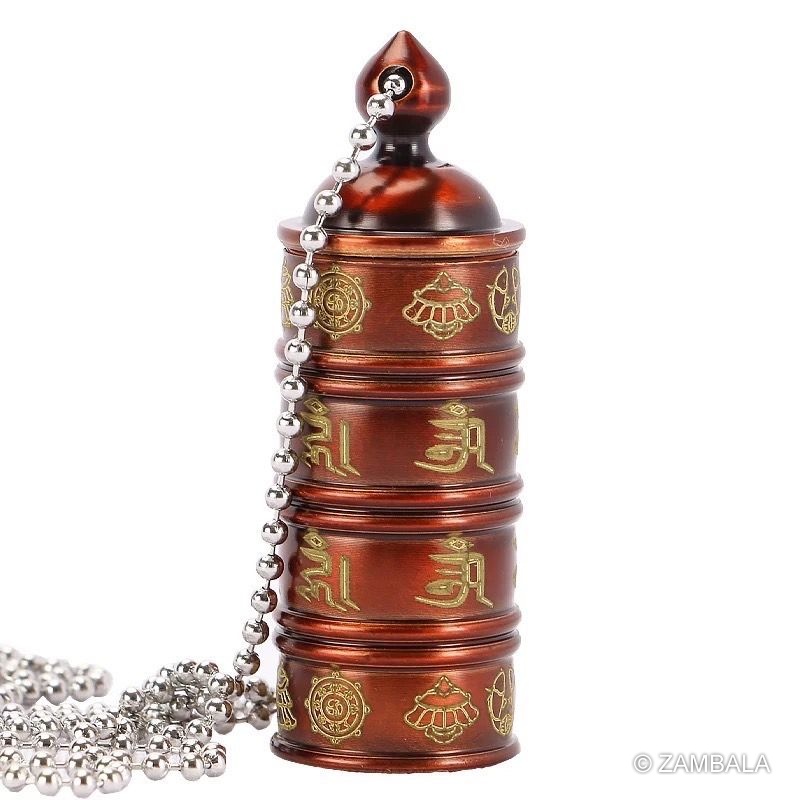
| Tubular Gau metal w/8AS |
|
Sku#:1058
|
|
《In order to view the wholesale price .
Please Apply to be a wholesalers》
|
|
|
|
|
 |
|
Please contact us to verify availability. 1-626-354-6228
Email: zambalallc@gmail.com
America area customers can view on this website first.
https://FlyingMystics.org/ |
|
|
|
|
|
|
Material: Copper. Casting. Buddha shrine
Size: 7 cm approx.
Narrative:
The "Eight Auspicious Symbols" of Tibetan Buddhism are a group of symbols that represent luck and auspiciousness. These symbols are very common in Buddhist art and rituals. The following is a detailed description of the eight auspicious symbols and their meanings and origins:
1. Umbrella (Skt. Chatra):
Meaning: Protection and shelter, symbolizing royalty and nobility.
Origin: It was originally a symbol used by ancient Indian royal families to shade from the sun and shelter from the rain.
2. Goldfish (Skt. Matsya):
Meaning: Happiness, freedom and prosperity, symbolizing liberation and freedom.
Origin: Originally from the Brahmanism culture of India, and later absorbed into Buddhism.
3. Kalasha:
Meaning: Longevity and prosperity, symbolizing spiritual and material abundance.
Origin: It was originally a container for holding water in ancient India, symbolizing abundance and blessings.
4. Lotus (Skt. Padma):
Meaning: Purity and enlightenment, symbolizing a pure mind beyond pollution.
Origin: The lotus is a symbol of holiness in Indian and Eastern cultures, and symbolizes spiritual enlightenment in Buddhism.
5. White Snail (Skt. Shankha):
Meaning: The spread of Buddhism, symbolizing the Buddha's teachings and the voice of wisdom.
Origin: Conch shells were used as horns in ancient India, symbolizing sacred and powerful sounds.
6. Auspicious Knot (Skt. Shrivatsa):
Meaning: Eternity and harmony, symbolizing the interconnectedness and eternity of all things.
Origin: An ancient Hindu and Buddhist pattern, symbolizing endless wisdom and compassion.
7. Victory Banner (Skt. Dhvaja):
Meaning: Victory and glory, symbolizing the victory of Dharma.
Origin: Originally used as a symbol of victory on the battlefield, it later became a symbol of spiritual victory in Buddhism.
8. Golden Wheel (Skt. Dharmachakra):
Meaning: The spread of Dharma and teachings, symbolizing the teachings and dharma of the Buddha.
Origin: The wheel is a symbol of transportation in ancient India, symbolizing the spread and promotion of Buddhist teachings.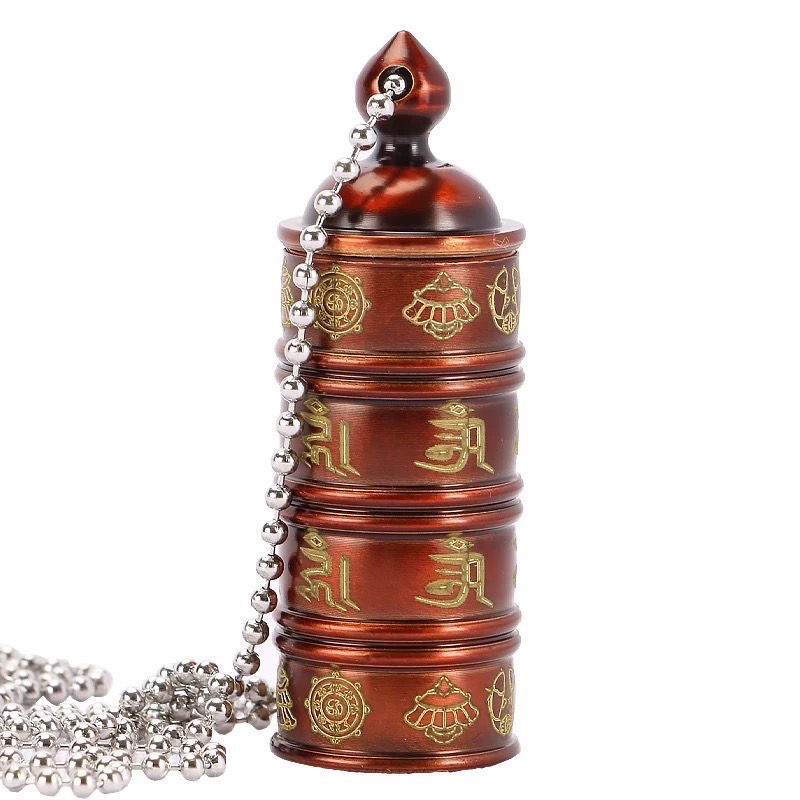 |
|
|
 |
|
|
|
|
|
|
|
|
|
|
|
|
|
|
|
|
© 2026 Zambala inc. All Rights Reserved. No part of this site may be reproduced without our written Permission.
Service Mail: ZambalaLLC@gmail.com
Phone: (626) 289-9787 or 1(888)Zambala (926-2252)
Fax: (626) 289-9719
1904 West Valley Blvd. Alahambra, CA 91803 USA
Unless stated otherwise in content's license. Design By
|
|
|