|
|
|
Wholesalers: |

|
/ |
|
|
|
|
|
|
|
|
| "Reality is merely an illusion, although a very persistent one" Albert Einstein ( Nobel Prize for Physics in 1921. 1879-1955) |
|
|
|
|
|
|
|
|
|
|
|
|
|
|
|
|
|
|
|
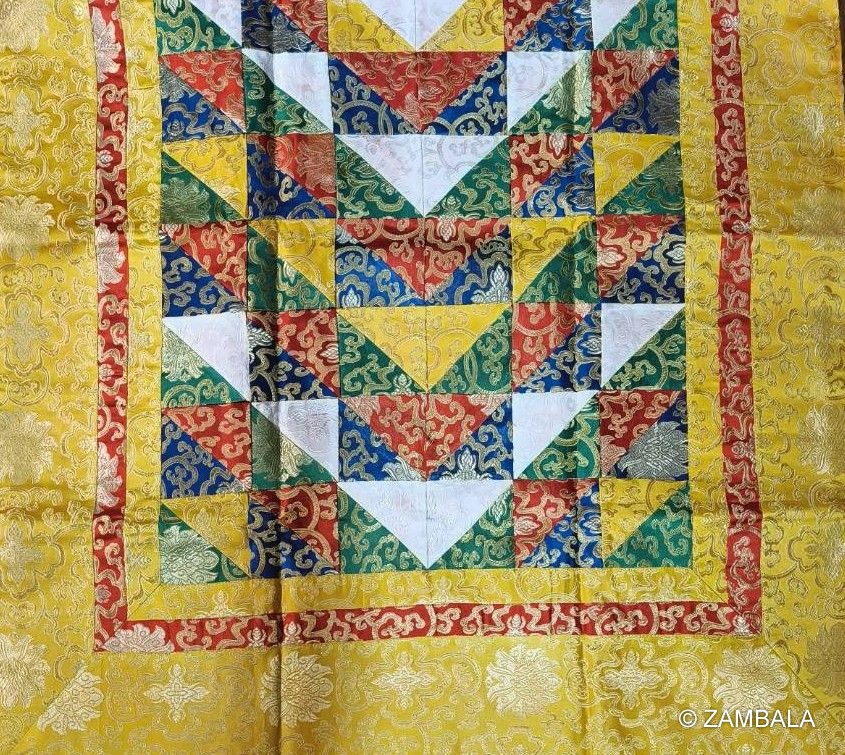
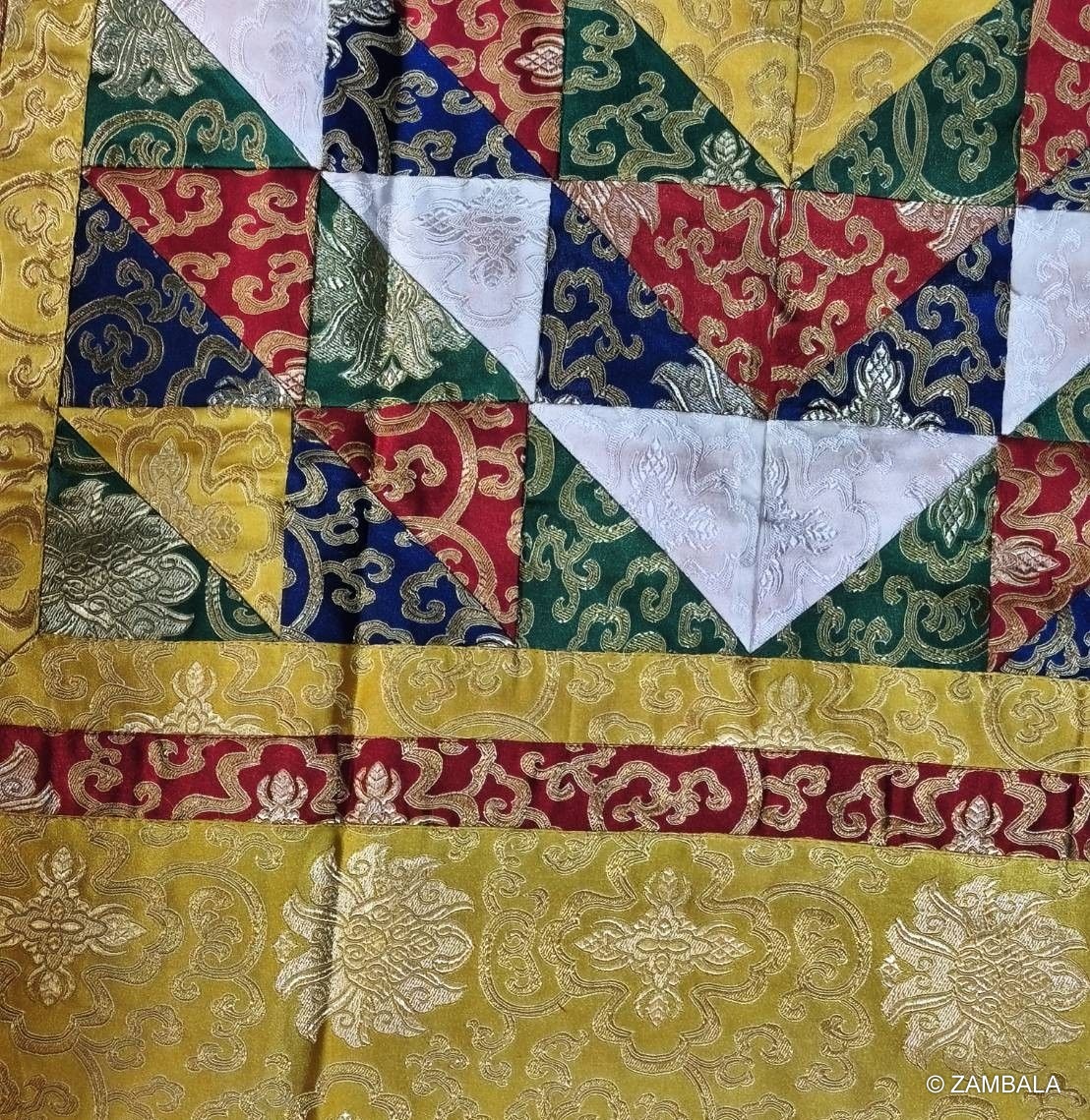
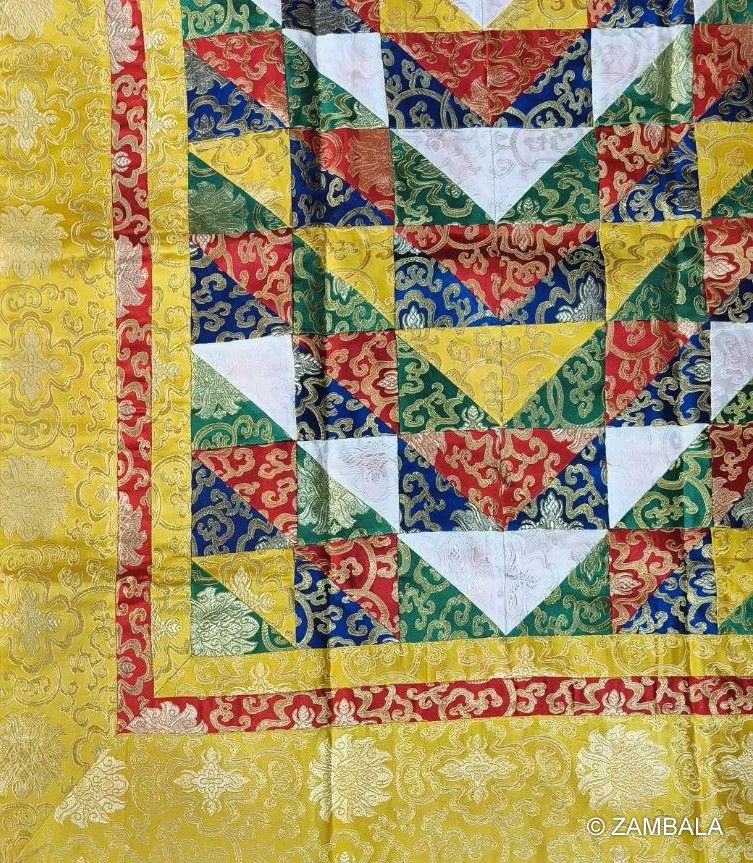
| Patch work altar cloth 3ftx6ft |
|
|
|
|
|
Sku#:3517
|
|
|
Wholesale price |
US |
XXX.XX |
|
《In order to view the wholesale price .
Please Apply to be a wholesalers》
|
|
|
|
|
 |
|
Please contact us to verify availability. 1-626-354-6228
Email: zambalallc@gmail.com
America area customers can view on this website first.
https://FlyingMystics.org/ |
|
|
|
|
|
|
Material: Fabric, Embroidery, Printed, Patchwork Pattern (Multiple Styles)
Size: 90 cm x 180 cm
Description: A Buddhist altar cloth (also known as uchishiki in Japanese) is a fabric used in Buddhism to cover the top of an altar (offering table) or shrine, commonly found in temples, family shrines, or ceremonial occasions. It not only serves a practical function, such as protecting the altar from dust or damage, but also carries profound symbolic meaning. In Buddhist tradition, the altar cloth is considered a decorative element used to beautify sacred spaces, symbolizing respect and devotion to the Buddha, Bodhisattvas, or patriarchs. It represents the believer's piety and helps create a solemn and peaceful atmosphere, making it easier for practitioners to enter a spiritual state during offerings, meditation, or chanting. Donating such tablecloths to temples is an act of accumulating merit, bringing blessings for oneself, deceased relatives, or all sentient beings. This is particularly common in sects like Jōdo Shinshū, where it is used to commemorate the passing of a founder or on special holidays. The tablecloths often incorporate Buddhist symbols such as dragons, phoenixes, lotuses, or auspicious totems, symbolizing wisdom, compassion, and the transformation of karmic obstacles.
In broader Buddhist practice, the tablecloth is part of the altar, representing "speech," one of the three pillars of body, speech, and mind. It is sometimes used to wrap sacred texts or ritual implements as a sign of respect. It helps transform the altar into a spiritual focal point, reminding believers to return to the present moment and serving as a "transfer station" for the blessings of bodhisattvas, guiding towards blessings and light. Overall, it is not merely a physical object but a symbolic expression of the goals of spiritual practice, emphasizing the purification of attachments and the spirit of generous giving.
Related Production Methods
The production of Buddhist tablecloths originates from traditional weaving techniques, primarily developed in Asian countries such as Japan, China, Nepal, and Tibet. Traditionally, silk is used as the primary material, incorporating metallic threads (such as gold or silver) to enhance luster and luxury. The metallic threads are typically flat metal foils applied to lacquered mulberry paper, or thicker metallic paper wrapped around a silk core, creating a shimmering effect. The production process involves complex weaving techniques, such as the Japanese "nishiki" and "kinran," which are brocade-like fabrics that utilize patterning wefts to create patterns on a base fabric. The wefts are only visible on the upper surface, hidden on the back, to create rich, multi-colored designs and contrasts.
The production steps are roughly as follows:
1. **Material Selection**: Choose natural fabrics such as silk, cotton, wool, or linen. Bright colors are preferred, such as red (symbolizing fire, transformation, and purification), yellow, gold, blue, or white, avoiding dull tones such as gray, brown, and black. 1. **Patterns:** The designs incorporate Buddhist elements such as the Four Auspicious Beasts (dragon, phoenix, qilin, and tortoise), seasonal flowers (peony, lotus, chrysanthemum, and plum blossom), cloud patterns, or flame-shaped gemstones. These patterns were originally imported from China and later incorporated Indian, European, or Southeast Asian styles during Japan's Edo period (1603–1868).
2. **Weaving:** The weft threads are interwoven on a loom. Additional weft threads are woven into the base to create a raised pattern. The addition of gold and silver threads requires precise control to produce reflective effects and textural contrast. This is a handcrafted process, often completed by professional weavers in areas such as Sakai or Nishijin, Japan.
3. **Embroidery and Finishing:** Some tablecloths feature additional embroidered details or added donation inscriptions on the lining, including the temple name, donation date, donor's name, or ceremony details. Borders may be sewn along the edges, often in square, triangular, or rectangular shapes.
4. **Modern Variations:** Today, these are mostly handmade or semi-mechanically produced, with silk brocade versions commonly seen in Nepal and Tibet. DIY methods can be simplified: purchase silk fabric and draw or embroider patterns, but traditional crafts require professional skills.
How to Use
The use of a Buddhist altar tablecloth emphasizes respect and cleanliness, integrating it into daily practice and special rituals. The basic method is as follows:
1. **Placement**: Lay the tablecloth flat on top of the altar or shrine, covering the entire surface. For home altars, place it at a high position, avoiding locations below waist level or near toilets or bedrooms. In temples, it is often used in front of the main altar or on a side table.
2. **Ritual Application**: Used on occasions such as commemorating the deceased, Obon (the Ghost Festival), the spring and autumn equinoxes, New Year's Day, or the death anniversaries of patriarchs. The tablecloth can serve as part of an offering, symbolizing an invitation to the Bodhisattva. Before use, ensure hands are clean, clothing is appropriate (knees covered, no slippers), and avoid approaching the altar within 15 minutes of defecating or within 5 hours of intimate behavior.
3. **Maintenance**: Replace regularly to maintain the altar's vitality. Wipe with a dry or damp cloth (without detergent) to prevent dust accumulation. When wrapping scriptures, fold gently and place on the altar as a sign of respect.
4. **Spiritual Integration**: When using this tablecloth, it can be accompanied by burning incense, offering flowers and fruit, or chanting scriptures to enhance the offering's effect. The tablecloth is not only practical but also reminds believers of generosity and non-attachment, accumulating positive energy.
In short, the Buddhist altar tablecloth is an element of Buddhist culture that integrates art, faith, and practice. Through its beauty and symbolism, it assists believers on their spiritual journey.
PS: If old tablecloths used at home become soiled or damaged and need replacement, a fire offering can be used. If this is inconvenient, please wrap them separately in a garbage bag. Please try not to dispose of them with other garbage.
|
|
|
 |
|
|
|
|
|
|
|
|
|
|
|
|
|
|
|
|
© 2026 Zambala inc. All Rights Reserved. No part of this site may be reproduced without our written Permission.
Service Mail: ZambalaLLC@gmail.com
Phone: (626) 289-9787 or 1(888)Zambala (926-2252)
Fax: (626) 289-9719
1904 West Valley Blvd. Alahambra, CA 91803 USA
Unless stated otherwise in content's license. Design By
|
|
|